
Приложение
Как установить приложение на iOS
Смотрите видео ниже, чтобы узнать, как установить наш сайт в качестве веб-приложения на домашнем экране.
Примечание: Эта возможность может быть недоступна в некоторых браузерах.
Вы используете устаревший браузер. Этот и другие сайты могут отображаться в нём некорректно.
Вам необходимо обновить браузер или попробовать использовать другой.
Вам необходимо обновить браузер или попробовать использовать другой.
Что не так на этой фотке?
- Автор темы Darkcat
- Дата начала

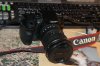


Наблюдаю Sigma SD15 или 14 с ремнём от Canon EOS-какого-то там. Объектив с крышкой tokina, но у токины вроде нет (или уже нет) крышек на объектив(не тушку) с названием производителя спереди. Или я не прав? Какой объектив-не определю, но вроде бы Tokina AT-X 124 AF PRO DX.
На фоне клава с каким-то доп. блоком слева. На столе фотка котэ.
На фоне клава с каким-то доп. блоком слева. На столе фотка котэ.
Объектив - да, Tokina 124. Тушка - Sigma SD14. Ремень - Canon. Остальное к делу не относится.
Подсказка номер раз.
http://www.tokinalens.ru/cash/info/2439.html
Подсказка номер раз.
http://www.tokinalens.ru/cash/info/2439.html
Совместимость байонета? У меня зеркалки, особенно такой, нет, и в этих тонкостях я не силён ;-)
Но подумаю.
Вот что на педивикии про это:
Но подумаю.
Вот что на педивикии про это:
The camera uses the SA mount, for which only Sigma itself manufactures lenses.
Physically, the SA mount is identical to the PK mount with a reduced back-focus of 44.0mm (equals Canon EOS) as opposed to the 45.5mm of Pentax PK and M42. The Sigma SA lens protocol is a clone of the Canon EF protocol. This provides a not so obvious but very interesting option that most Canon EF-mount lenses will work seamlessly after exchanging the mount plate with the Sigma DSLRs, but without image stabilization.
Pentax K-mount lenses physically fit, but should only be mounted when the rear protrusions have been dismantled. Such lenses will then focus beyond infinity and may contact the protective filter. A spacer ring (made e.g. of decopperized FR3 1.5mm circuit board) can be added between the K-mount lens body and its bayonet plate. Prime (as opposed to zoom) lenses often permit a simple resetting of the position of the focusing ring on helical inside. Zoom lenses converted this way will become vari-focals by losing the focus setting as they are zoomed. The spring that opens or closes the lens iris in the K-mount lenses may have to be reset to work in the opposite direction.
Although the Nikon F-mount back-focus at 46.5mm is well above the 44mm of the SD14, there is no adapter for the infinity focusing possible as, unlike with Canon EOS, the Nikon bayonet of roughly the same diameter will not fit inside the SA–PK bayonet. The M42 thread does, as taken care of by Asahi when introducing K mount in the 1970s, and therefore all M42 lenses work as is without problems with the SA/M42 converter. Lenses with equal or shorter back-focus (pre-EOS Canon, Minolta, Konica, Miranda) can only be adapted by discarding the old bayonet, milling off extra metal from the lens barrel and adding an SA = PK bayonet flange. Due to the good quality viewfinder (for a crop-DSLR) of the SD14 the missing auto-iris is not a problem, and primes from 45mm up focus comfortably on the screen down to f/5.6. The camera meters automatically via the AV setting with anything mounted on it or being mounted on, such a microscope or a telescope. For this, the camera should be set to a virtual aperture of 1.0. The SD14's solid construction and decent size make it a desirable platform for laboratory and technical photography.
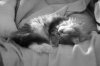
Токина не делает линз с байонетом Сигма. Только Canon и Nikon. Эта SD14 переделана под EF-байонет. А еще у нее съемный ИК-фильтр. Достав из загашника Cokin 87B и Гелиос-44 Получаем вот такое. Подушка слева в оригинале с рисунком, покрывало тоже, однако ИК-лучам пофигу, они не видят ничего. А вот кошачья шерсть сохранила оттенки.
Вложения
Ну в корпус обычной вспыхи можно много чего засунуть. Главное сочинить и собрать схему. ИК-диоды в импульсном режиме(как во вспышке) на радиатор можно не ставить вообще. А как, кстати, на ней с автонастройками? Работают в таком режиме? Ну про Гелиос понятно, автофокуса и автодиафрагмы нет. Или всё в ручном режиме из принципа?
В нормальном режиме - автофокус и диафрагма работают. В ИК-режиме... автоматика сходит с ума.
Гелиос - я Кокины больше ни на что накрутить не могу... Под землей всеравно почти все ручками. Фокус даже вручную не с первого раза попадает - преломление ИК отличается от видимого света и метраж на объективе не соответствует реальности.
Гелиос - я Кокины больше ни на что накрутить не могу... Под землей всеравно почти все ручками. Фокус даже вручную не с первого раза попадает - преломление ИК отличается от видимого света и метраж на объективе не соответствует реальности.
Гелиос - я Кокины больше ни на что накрутить не могу...
Удивительное соображение. Единственное достоинство кокиновской системы - это полная универсальность в смысле на что её накручивать. Во всем прочем более мудацких фильтров, чем кокиновские, не существует - плексиглас для фотографический оптики слишком дерьмовый материал. Вот ни разу не видел, чтобы кто-либо брал на кокин-систему что бы то ни было кроме оттенников да градиентников, которые там хотя бы логичны и удобны и хотя бы этим немножко окупают свою кошмарную царапучесть, мутноватость и паразитные цвета.
Второе соображение. Как видно из приведенной абсолютно нерезкой говнофотки, с резкостью даже не проблема, с резкостью абсолютная беда, да и должна быть беда. Единственный разумный способ инфракрасной съемки на цифре - это фокусировка по экранчику или по электронному видоискателю, можно даже и а АФ по микроконтрасту. Всё это прекрасно работает, и зачем выёживаться на зеркалках без фокусировки на ливвью, где в лучшем случае 1 кадр из 50 в фокус попадет, да и то случайно, неясно. Еще больший бред снимать ИК на фовеоновскую матрицу, которая абсолютно провальна на ISO выше 100. Для ИК таки нужно чуйствительность повыше чуток. Опять же, ИК преимущественно выигрывает в пейзаже с большим количеством деталей, и предлагаемые фовеоном 4 мегапикселя для подобных кадров совсем никак и никуда.
Последнее редактирование:
Дяденька умник, вы как обычно поняли ровно не то, что я хотел сказать.
Кокиновская система у меня была с кольцами 52 и 58 мм под стекла, которые я давно продал вместе с пленочной тушкой. 58е кольцо надевается на манер бленды на Гелиос. Этого мне было достаточно.
Инфракрасных фильтров вообще в природе всего пара штук, так что кокин тут вне конкуренции. Про цвета поржал... Ты вообще ИК в родных цветах видел?
Далее. На резкость в данном случае мне насрать (хотя я совсем немного промахнулся, дырка 2.0 стояла - даже что-то в грип попало). Снимок был сделан чиста на попробовать будет ли что-то видно с ИК-фильтром. LiveView у этой камеры нет и не будет. И не нужно. Я брал ее для других целей.
Если мне посерьезному захочется снимать в ИК или астрофото (там тоже ик-фильтр убирают) я возьму переделанную Кэноновскую тушку. Сигма позволяет попробовать ИК малой кровью.
Вообще вопрос был про байонет
Кокиновская система у меня была с кольцами 52 и 58 мм под стекла, которые я давно продал вместе с пленочной тушкой. 58е кольцо надевается на манер бленды на Гелиос. Этого мне было достаточно.
Инфракрасных фильтров вообще в природе всего пара штук, так что кокин тут вне конкуренции. Про цвета поржал... Ты вообще ИК в родных цветах видел?
Далее. На резкость в данном случае мне насрать (хотя я совсем немного промахнулся, дырка 2.0 стояла - даже что-то в грип попало). Снимок был сделан чиста на попробовать будет ли что-то видно с ИК-фильтром. LiveView у этой камеры нет и не будет. И не нужно. Я брал ее для других целей.
Если мне посерьезному захочется снимать в ИК или астрофото (там тоже ик-фильтр убирают) я возьму переделанную Кэноновскую тушку. Сигма позволяет попробовать ИК малой кровью.
Вообще вопрос был про байонет
А насчет деталей на фовеоне... Там 14 мегапукселей =) У Кэнона и Никона мегапуксели надо делить на 4 чтобы получить эквивалентное разрешение. Это отлично видно на кошачьих усах.
Бред. У фовеона 4 с копейками. Но полноцветных. И если при обычной фотографии еще можно спорить о недостатках байера, то в ИК байеровская интерполяция как бы отсутствует. И 4 мегапикселя фовеоновских становятся строго равны 4 байеровским мегапикселям.
Тоесть ИК-лучи наглухо игнорируют цветовые фильтры перед матрицей? Дяденько, вы хоть сами свой бред почитайте.
Фовеон вообще по другому воспринимает цветовую информацию. И в ЧБ матрица не пропустит ни одного фотона (воспринимается свыше 95% информации). Плюс волновая восприимчивость матрицы шире, чем у ПЗС/КМОП. Ограничение по УФ - стеклянные линзы, по ИК - фильтр.
Фовеон вообще по другому воспринимает цветовую информацию. И в ЧБ матрица не пропустит ни одного фотона (воспринимается свыше 95% информации). Плюс волновая восприимчивость матрицы шире, чем у ПЗС/КМОП. Ограничение по УФ - стеклянные линзы, по ИК - фильтр.
Тоесть ИК-лучи наглухо игнорируют цветовые фильтры перед матрицей? Дяденько, вы хоть сами свой бред почитайте.
Фовеон вообще по другому воспринимает цветовую информацию. И в ЧБ матрица не пропустит ни одного фотона (воспринимается свыше 95% информации). Плюс волновая восприимчивость матрицы шире, чем у ПЗС/КМОП. Ограничение по УФ - стеклянные линзы, по ИК - фильтр.
В школу нах.

Переделка сигмовских тушек на сапоговский объектив - мегабоян. Это вообще самая простая из возможных переделок,Вообще вопрос был про байонет
Компас в зубы и на йух, ага.
При одинаковых условиях кстати у Фовеона экспозиция получается в 2 раза меньше, чем у КМОП-матрицы (есть у меня одна говномыльница с выдранными фильтрами).
А ты еще с мобильником, выдрав из него фильтр, посравнивай.
Я чота не наблюдаю подобные тушки на каждом углу. Да, там ничего сложного, протокол Сигма у Кэнона перерисовала.Это вообще самая простая из возможных переделок,
Дядя, ты еще раз весь свой бред прочитай. Для танкистов. Я беру мыльницу, снимаю с ней кадр. Получаю некоторую экспозицию. Далее с мыльницы снимается ИК-фильтр, ставится 87B, снимается кадр номер два. Получаю вторую экспозицию.А ты еще с мобильником, выдрав из него фильтр, посравнивай.
Теперь тоже самое с Сигмой. Первый кадр по экспозиции такой же, как и у мыльницы. Второй - света в четыре раза больше (экспозиция меньше на два стопа).
Далее. Рассмотрим RAW с двух камер. Предположим, что у байесовской матрицы всего 4 пукселя, у Фовеона вообще один. С Фовеоном все ясно, там один пиксель был и один получится. А с байесом - он не различит желтый по всем пукселям или сетка красный-зеленый. Синий при этом вообще выпадает из жизни. На сплошном фоне пофигу, а вот звенящую резкость на кошачьей шерсти получить впринципе невозможно.
Цветные матрицы вообще не умеют ночью работать. Если нужна хорошая камера наблюдения для работы ночью - только ч/б. Светочувствительность на порядок выше. Так же и Фовеон. Выигрывает у мыльницы за свет использования всей матрицы при ИК-сьемке.
Теперь займусь астрофото...
Похожие темы


Поделиться: